
































In the late 1970s, a German architect who had spent twenty years designing radios, razors, calculators, and shelving systems looked around at the modern world and felt a growing sense of unease.
His name was Dieter Rams.
Since joining the German electronics company Braun in 1955—and the furniture maker Vitsœ shortly after—Rams and his small team in Kronberg had worked by a clear personal ethos he called Weniger, aber besser: Less, but better. He believed that the objects we bring into our homes should serve human life with clarity, honesty, and restraint. Yet when he looked out at the broader consumer culture of the late twentieth century, he saw the opposite: a loud, chaotic festival of superficial styling, planned obsolescence, and products screaming for attention.
So Rams paused and asked himself a question that every creator eventually has to face:
“Is my design good design?”
Because "goodness" in design cannot be proved by a formula, Rams wrote down ten practical criteria to test whether an object truly serves the person using it—what became known around the world as the Ten Principles for Good Design:
- Good design is innovative.
- Good design makes a product useful.
- Good design is aesthetic.
- Good design makes a product understandable.
- Good design is unobtrusive.
- Good design is honest.
- Good design is long-lasting.
- Good design is thorough down to the last detail.
- Good design is environmentally friendly.
- Good design is as little design as possible.
Fifty years later, Rams’s question leads straight to the question everyone in our industry is asking today:
“Can AI design?”
The answer is yes—if by "design" you mean assembling shapes, remixing styles, and generating plausible surfaces. AI can design all day long.
What AI will never be able to produce is Good Design.
Why? The reason is simple: Good Design is human—and AI is not human.
You Already Know the Ten Principles—Even If You Never Knew Their Name
Even if you have never heard the name Dieter Rams, you have lived inside the world his principles built. Whenever you have picked up an object, understood it in a second, and loved using it for years, you were experiencing one—or all—of the Ten Principles at work.
Undeniably, Rams and his Ten Principles have shaped the work of the most prominent designers of the last several decades.
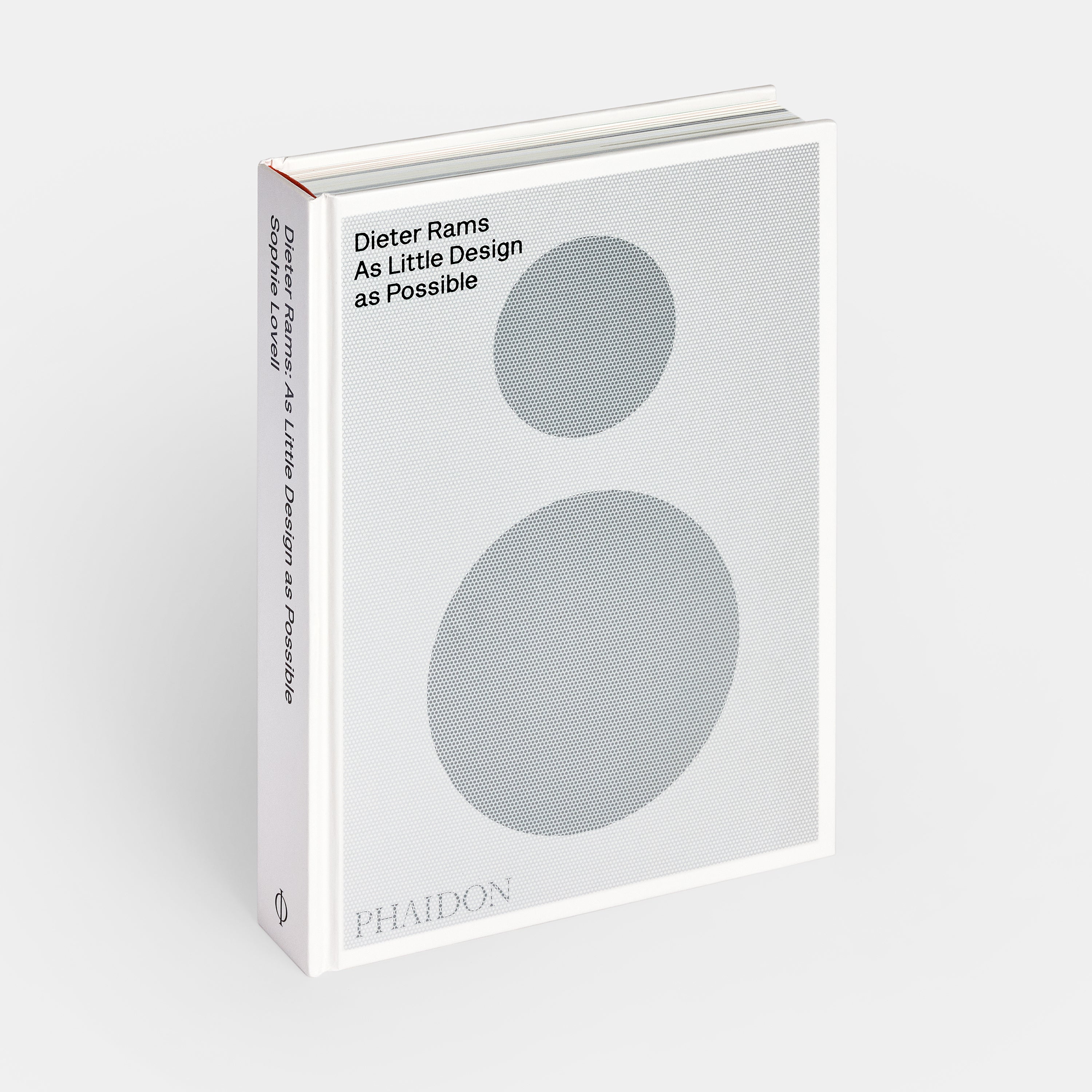
Think of Jony Ive and his team at Apple conceiving the first iPod, the iMac, and the original iPhone. Ive has never hidden his debt to Rams—he has talked about it openly for years, most famously in Gary Hustwit’s 2009 documentary Objectified and in the foreword he wrote in 2011 for the monograph Dieter Rams: As Little Design as Possible, where he described how seeing Braun products as a child shaped his entire understanding of design ("At a glance, you knew exactly what it was and exactly how to use it"). Apple’s greatest work was a tribute to design that is understandable, thorough down to the last detail, and as little design as possible: the clean white face and scroll wheel of the first iPod echoed Rams’s 1958 Braun T3 pocket radio, and the original iPhone calculator paid direct homage to Rams and Dietrich Lubs’s 1987 Braun ET 66 calculator—where the equals button is given a single circle of ochre so your eye finds its destination without ever reading a manual.
In Tokyo, Naoto Fukasawa at MUJI showed how an object can be unobtrusive, honest, and aesthetic all at once. When he designed a wall-mounted CD player whose music starts when you pull the power cord—just like a kitchen exhaust fan—the interaction felt both delightful and completely natural because it borrowed a gesture human beings already knew by heart.
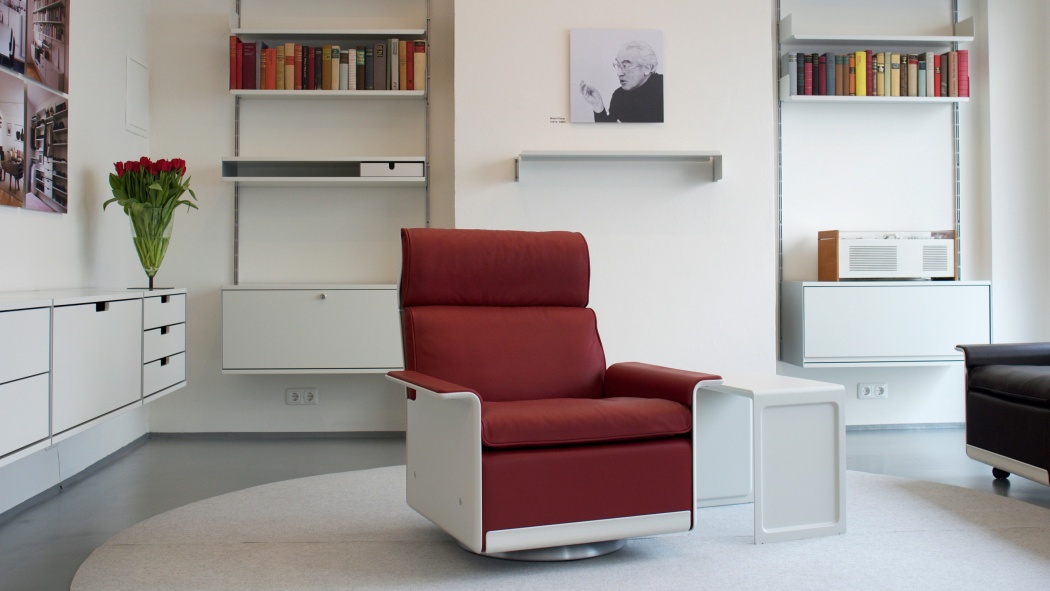
Or think of Massimo Vignelli bringing useful, long-lasting clarity to the New York City Subway map, and Vitsœ’s 606 Universal Shelving System, which embodies all ten principles—including being environmentally friendly. Designed by Rams in 1960, every shelf and pin manufactured sixty-five years ago still fits every component made today, so nothing ever becomes obsolete and nothing needs to be thrown away.
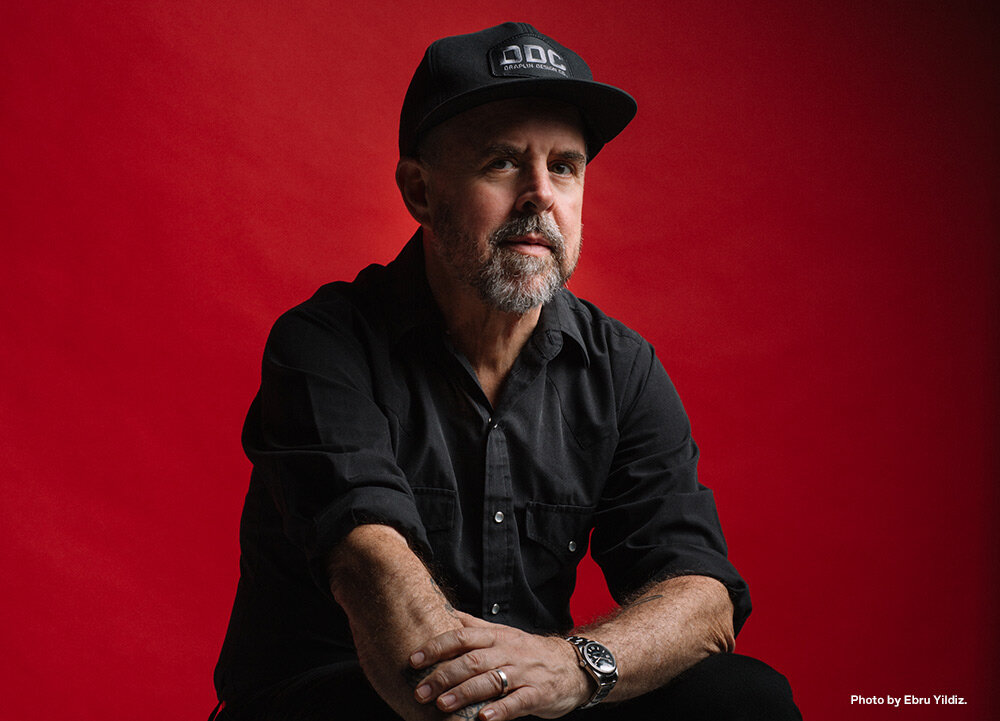
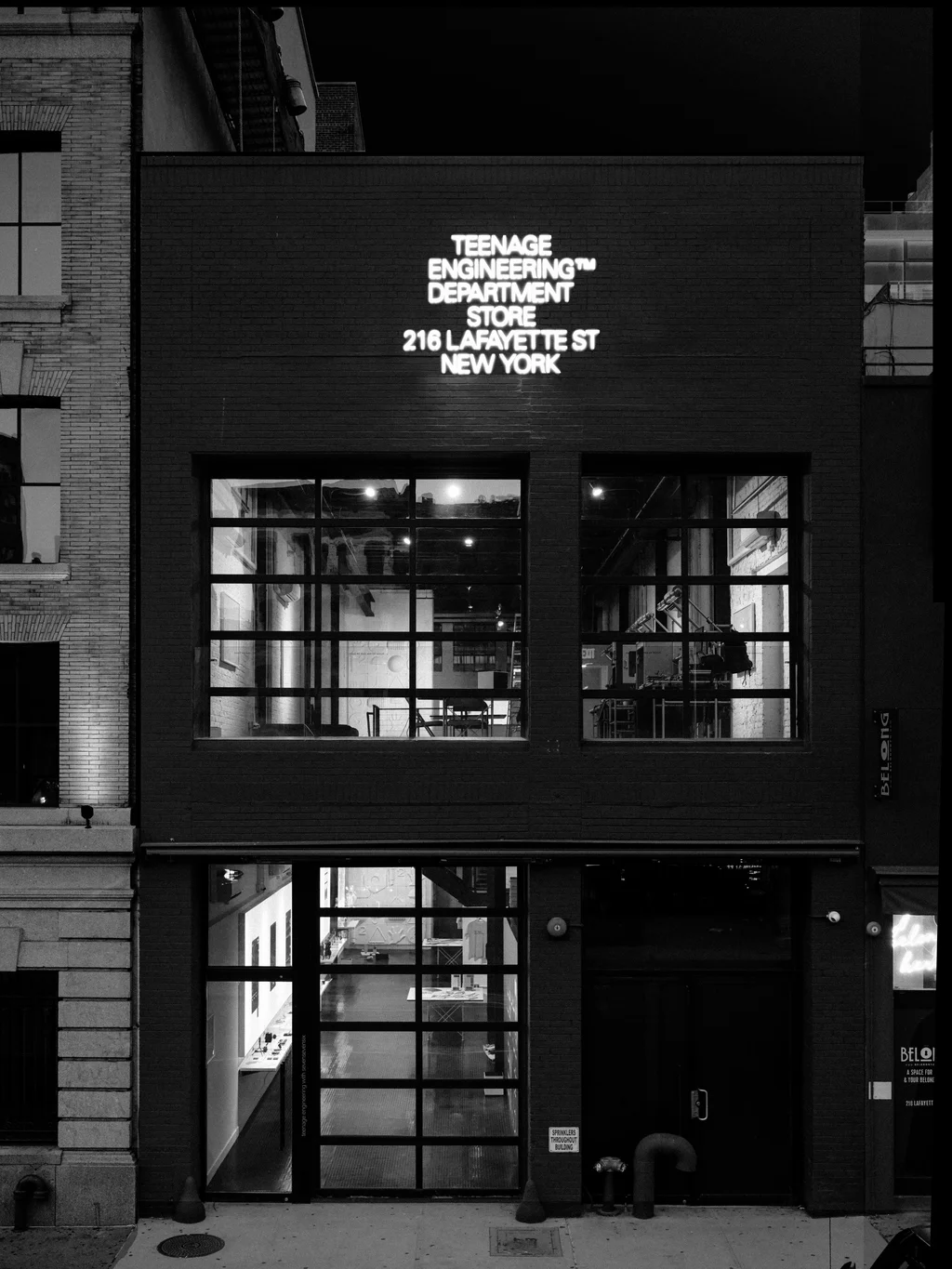
The list could go on and on—from Jasper Morrison and Konstantin Grcic in industrial design to Jesper Kouthoofd at Teenage Engineering. None of those designers were chasing a "minimalist look." They were practicing a discipline in which every decision serves the person living with the object.
What Rams Actually Meant
The biggest misunderstanding about Dieter Rams is thinking that his Ten Principles are a style guide for making things look German and grey.
Rams was not writing about style. He was writing about human care and responsibility.
To Rams, every object you put into the world enters a human being’s home, occupies their space, and asks for their time and mental peace. Bad design is not merely ugly—it is a lack of respect for the person on the other side. When a coffee machine or an app hides a simple everyday action behind five confusing menus just to look "futuristic," it steals minutes from someone’s morning. When a product dresses cheap mechanics in fake chrome or flashy animations to look more capable than it really is, it lies to the person who bought it. And when a company chases a passing trend just to make last year’s model feel outdated, it turns working objects into garbage.
That is why the Ten Principles matter: they are not rules about rectangles and buttons. They are a human standard of care between the person who makes something and the person who has to live with it.
Ten Principles: Why Good Design Is Human
When you hold Dieter Rams’s ten principles up against artificial intelligence, you see why Good Design belongs to human beings:
| Principle | What It Means | Why AI Cannot Do It | What a Human Can Do |
|---|---|---|---|
| 1. Innovative | Using new possibilities to create better ways for people to live and work. | AI only remixes and combines what already exists. | Imagine what does not exist yet—guided by curiosity, lived experience, and a vision for how life could be better. |
| 2. Useful | A product must satisfy functional, psychological, and ergonomic needs. | AI does not understand what work or effort means—it has never experienced it. | Bring real empathy—feeling another person’s effort, fatigue, and daily life, and shaping the tool to help them. |
| 3. Aesthetic | Beauty that speaks to our senses through form, proportion, and material. | Aesthetic is emotional—and AI has no emotions. | Feel the calm, warmth, or joy an object creates in a room, because only a human can feel those things. |
| 4. Understandable | Making a product’s structure so clear that it explains itself without a manual. | AI has never felt confused, hesitant, or lost in front of an unfamiliar tool. | Put yourself in another person’s shoes, sense where they might hesitate, and make the next step natural. |
| 5. Unobtrusive | Products are tools, not monuments; they leave space for the person using them. | AI has no sense of personal space or peace; by default, it fills every blank surface with more output. | Practice humility and restraint—knowing when an object should step back so human life stays in front. |
| 6. Honest | Never making a product look more capable or valuable than it truly is. | AI has no concept of truth or conscience; to a model, a false promise and a fact are just patterns. | Stand behind your word—making sure what a product promises on the outside is true on the inside. |
| 7. Long-lasting | Outliving passing fashion so an object stays relevant and loved for decades. | AI has no sense of time or aging; it is anchored to the latest trends of the internet it was trained on. | Care about how things age over a human lifetime and build something worth keeping for decades. |
| 8. Thorough down to the last detail | Leaving nothing to chance, because care and accuracy show respect for the user. | AI runs on probability and approximation, and a machine cannot feel respect for a person. | Care about every unseen detail out of genuine respect for the human being who will use your work. |
| 9. Environmentally friendly | Conserving physical resources and protecting our world from physical and visual pollution. | AI does not live in our world and pays no cost for flooding it with disposable noise. | Take responsibility for the environment we share—choosing to make fewer, better things. |
| 10. As little design as possible | Less, but better. Keeping only what is essential so the product stays pure and unburdened. | AI can generate endless variations in seconds, but it has no conviction about what matters. | Have a point of view, take responsibility for what you remove, and know when to stop. |
When Replication Costs Nothing, Good Design Is Everything
When people ask whether AI is going to kill design, I don’t brush the question off—because the truth is that everything is going to change.
Over the past twenty years, a large part of what the industry called "design"—not all of it, but a lot of it—was really replication: copying last week’s layout, remixing a mood board, and pushing pixels across an assembly line of screens.
Replication is not dead. Replication is everywhere—and AI has just brought its cost to zero. Anything that is merely a recombination of existing surfaces can now be generated in seconds, almost for free.
What happens next depends on how designers use AI, and with what purpose.
Used carelessly, AI makes it effortless to flood the world with more screens, more fake polish, and more disposable noise—violating every one of Rams’s ten principles at once.
Used with purpose, AI is a remarkable tool. In the hands of a designer who cares about the person on the other side, it takes over the mechanical repetition and gives us back the time to focus on what only humans can bring to the table: empathy, emotion, honesty, and judgment.
AI can replicate surfaces at zero cost. Only a human being can ask Dieter Rams’s question—“Is my design good design?”—and care enough about another human being to make the answer yes.
Mga Sanggunian
b. 1932 · Dieter and Ingeborg Rams Foundation
rams-foundation.org ↗Dieter Rams’s Ten Principles for Good Design · Vitsœ
vitsoe.com ↗Apple Presents iPod · October 23, 2001
apple.com ↗Gary Hustwit · Industrial Design Documentary (2009)
hustwit.com ↗Sophie Lovell · Foreword by Jony Ive (Phaidon, 2011)
phaidon.com ↗Dieter Rams & Dietrich Lubs · Braun Design Heritage
rams-foundation.org ↗Naoto Fukasawa Design · MUJI Wall-Mounted CD Player
naotofukasawa.com ↗Vignelli Center for Design Studies · 1972 NYC Subway Map
rit.edu ↗Designed by Dieter Rams in 1960 · Vitsœ
vitsoe.com ↗Jasper Morrison Studio · Super Normal
jaspermorrison.com ↗Konstantin Grcic Design
konstantin-grcic.com ↗Jesper Kouthoofd · Teenage Engineering
teenage.engineering ↗